
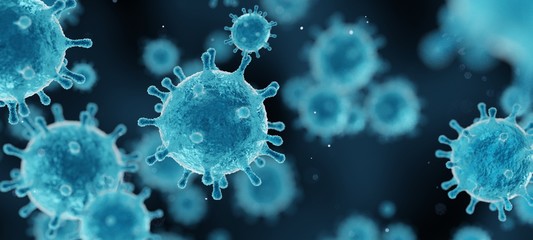
What is COVID-19?
COVID-19 is a disease caused by a virus known as SARS-CoV-2. The virus infects the respiratory system, but it can also affect various other body systems and organs.
This new virus was first identified in late 2019, and because no one had immunity to it, by the end of 2022, it had killed almost 7 million people worldwide. Most of these children and adults had chronic diseases and weakened immune systems.
How is COVID-19 transmitted?
COVID-19 spreads through droplets in the air, and because the virus has continued to change (or evolve) since its arrival in 2019, virtually everyone is at risk of being infected. Even those who have been sick or vaccinated previously can be infected again. However, vaccination or previous infection has been shown to decrease the likelihood of hospitalization or death from the disease. The COVID-19 vaccine is recommended for all people 6 months of age and older.
How can you protect yourself from the COVID-19 virus?
Get the vaccine annually. Wear a mask, put distance between yourself and others who may be sick, practice good hygiene, take steps to be around clean well circulated air.
If you think you are sick, please get tested promptly either with a health care professional or with an at home test.
If positive for covid, make sure to seclude yourself from others until the symptoms pass to avoid the virus from spreading.
When do children get the vaccine?
The COVID-19 vaccine can be given to all children 6 months and older. Annual vaccination is recommended.
Does the COVID-19 vaccine cause any reactions?
The main reactions to the COVID-19 vaccine are pain at the injection site, fatigue, headache, fever, chills, muscle aches or joint pian. These reactions usually begin 6-12 hours after immunization and can last for one to two days.