
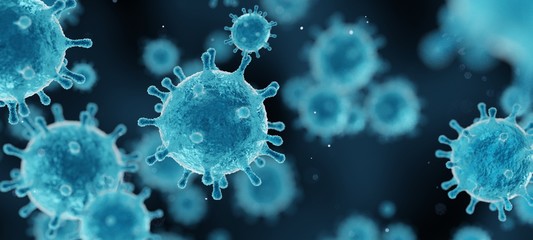
What is HPV?
Human Papillomavirus (HPV) is a sexually transmitted infection (STI) caused by a group of viruses that can cause genital warts, cancers and other health problems.
There are over 100 types of HPV, which are categorized as low or high risk. High risk can cause several types of cancer, including cervical cancer while low-risk HPV’s don’t cause cancer.
Who is at risk?
HPV infections are often transmitted sexually or through other skin-to-skin contact. Vaccines can help protect against the strains of HPV most likely to cause genital warts or cervical cancer.
Symptoms?
Most HPV infections don’t cause symptoms, but warts on the skin or genitals are the primary symptoms. Warts can go away on their own, but treatment focuses on removing them.
Prevention?
The CNC recommends the HPV vaccine for preteens, teens, and young adults. The vaccine is most effective when given before exposure to the virus, ideally before becoming sexually active.
HPV vaccinations have dropped in the United States since the vaccine has been used. Infections with HPV types that cause cancers and warts have dropped 88% among teen girls and 81% among young adult women. Among vaccinated women, the percentage of cervical pre-cancers caused by HPV most often linked to cervical cancer have dropped by 40%. Preventing cancer is better than treating it.
Use of condoms and safe sex is also a preventative measure.
Does the HPV vaccine cause any reactions?
Normal side effects are pain, redness, and swelling where the shot is given, fatigue, fever, headache, nausea, diarrhea, and muscle or joint pain. These side effects are usually mild.